
A Glossary of Electrical Terms for Homeowners
- Emily Sharpton
- Jun 4
- 4 min read


One of the best things a homeowner can do is to familiarize themselves with basic electrical terms. Knowledge empowers homeowners to explain to electricians their problems more accurately and allows them to understand electricians' explanations more easily. Having this knowledge of your electrical system and the words and terminology your electrician would use can make it harder for an electrician to scam you. We put together a comprehensive list of words and terms that you might hear your electrician use.
Alternating Current (AC) is an electrical current that reverses its direction several times a second at regular intervals. This is what powers your home, your business, the grocery store, etc. As opposed to DC, Direct Current, which is common for batteries in electronics such as your smart phone.
Amperes, or more commonly referred to as amps, is the unit of measurement for electrical current through a conductor. Basically, this is the measurement of power an electric appliance needs to operate it.
Busbars are metal bars that are located on an electrical panel that breakers stab into in order to continue passage of electricity to devices throughout a building. They are often made from copper or aluminum, and every electrical panel has at least one busbar to distribute power evenly to the circuit breakers.
Current measures how quickly electrons flow through a conductor.
Conductors are materials that allow electricity to easily move through it.
A circuit is a path through which electrons flow from a voltage or electrical current source. Circuits use two forms of electric power: AC and DC. It's a term used by electricians when determining if there is a wire needed from the panel to the power source.
A branch circuit, a term not used as often, but is necessary when an electrician is talking of installing a wire from an existing circuit end location, example an outlet or light switch, and sending it to another location, another outlet or switch, for power.
A circuit breaker is an overload protection device designed to shut off a circuit when too much current is flowing through it. Too many appliances on at the same time might overload your circuits, which would create a fire hazard. Circuit breakers help prevent this from happening. They are typically installed in the electrical panel and look like an array of black switches, each one representing an electrical circuit within a home.
An electricity meter is an energy meter that measures the total power consumed over a time interval, typically expressed in kilowatt hours. Electric utilities use meters installed at customers' homes or businesses for billing and monitoring purposes.
An electrical outlet, also known as a wall socket, is a socket that connects a device or appliance to an electrical supply.
The electrical panel, also called the service panel or breaker box, is the main control center where the wires from the transformer connect and branch out to supply the individual circuits with electricity. It's a rectangular metal box with a door to the circuit breakers for all the circuits throughout the building.
Direct Current (DC) is an electrical current that flows in one direction only. As mentioned before, this type of current is typically found in electronic devices with a battery for a power source, like a cellphone.
GFCI outlets are a type of circuit breaker that shuts off the power if it detects even the slightest current surge. This protects people from electric shock and even death by electrocution.
The jacket is the plastic protective covering on wires.
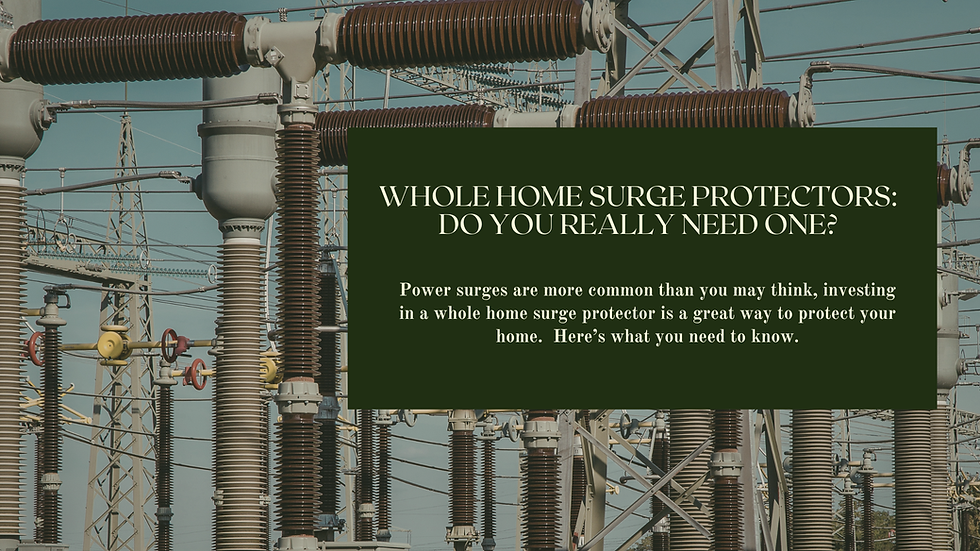
A power surge occurs when a brief spike occurs in the home's electrical current. If a home has faulty wiring, these surges can damage the electrical system and any attached appliances using outlets.
Receptacles are the openings in the box that outlets fit into. The average outlet will have two 3-prong receptacles.
A short circuit causes a current surge when electricity finds a low-resistance pathway through the circuit itself. This most commonly occurs when a neutral wire makes contact with a hot wire due to a loose connection, worn insulation, or an accident.
Switches are pieces of equipment that controls the flow of electricity to an outlet but more commonly to a light.
A transformer is an electrical device that transfers energy from one electric circuit to another using the process of electromagnetic induction. The purpose of a transformer is to adjust the voltage levels up or down between two circuits without changing the frequency, which powers up devices that require higher or lower voltages different than that of the nominal voltage coming into the building. For example, low voltage lighting that would require 12 or 24 volts would need a transformer to change the voltage from the building's usual 120 volts in order to operate those lights
The U.S. power grid is a complex system in which electricity is generated at centralized power plants and is transported through a system of substations, transformers, transmission lines, and distribution lines that deliver the product to the consumer. Since large amounts of electricity cannot be stored it must be produced as it is used.
Voltage is the 'push' behind the electrical current. Average outlets run 120V of electricity. The higher the voltage, the more electrical power.
Watts/Wattage is the unit of measurement to determine how much electrical energy is consumed in a second. High-wattage products expend more energy and are typically more expensive than low-watt products.
Wire gauge is the width of a wire. It affects the amount of current it can safely carry.
In Conclusion.....
Remembering these words will help you to not only explain your electrical problems more concisely, but will also help you understand your electrician's explanations. An informed customer is a customer that is hard to fool. Here at Electricians of Dallas we believe our customers deserve to understand their electrical systems. If you are in need of a reliable electrician, we offer free estimates for any project of any size. Give us a call at 972-418-0691.


This glossary is a fantastic resource for any homeowner looking to decode confusing electrical jargon! I especially appreciated the clear explanations of circuit breakers and grounding. While most of these terms focus on home wiring, it’s interesting how these basics bridge into more complex electronics. For example, understanding how a circuit functions helps demystify the technology inside our smart home devices, which rely heavily on precise PCB manufacturing to operate safely. Thanks for putting this together—it’s a great go-to guide for DIY troubleshooting or just chatting more confidently with an electrician. Keep up the helpful content for us!