
Types of Kitchen Lighting


When remodeling your kitchen, you want to pick fixtures that provide enough light in just the right spots, but the number of options can feel overwhelming. It's good to keep in mind not just where you need lighting, but also design, color, and if you intend for it to be a focal point or purely functional. This is why we've put together a comprehensive list of lighting options that work well in kitchens.

Recessed Can Lights
These are great for general lighting over the whole room or in a specific spot for a task area. Recessed can lights are usually 6 inches; some are 4 inches, though those aren't as common because they are limited in the number of lumens they come with. When using main room recessed lighting, keeping them spaced evenly is important. Usually, the spacing is based on room size but sometimes are placed strategically according to greatest lighting needs in particular areas. You can choose from a variety of trim options, though baffle trim is a great choice because it helps reduce glare. LED disc lighting has increased in popularity because it appears flat on the ceiling, offering an aesthetic look. Overall, recessed or disc lighting is definitely the primary lighting you need for the kitchen. It produces the most light for your task areas. If it ends up being to bright you can always add a dimmer! Dimmer's are also a great way to regulate the energy, adding more savings to the LEDs low energy costs.

Directional Recessed Can Lights
With these, you can shift where the beams of light shine. This can prove useful if you need to spotlight a specific spot in your kitchen or art work.

Decorative Pendant Lights
There is no better way to add style, color, and focal point to your kitchen than pendant lights. Pendant lights come in a wide variety of shapes, sizes, and materials. Glass lights will add an ambient glow while metallic fixtures give the home a more architectural feel. These are often paired in twos or grouped in threes when installed over an island or peninsula. Beautiful!

Multiple Lamp Fixtures (Not Pictured)
Want to make your kitchen a warmer, cozier space? Lamp fixtures will do the trick. These can be mounted with a single connection on a ceiling and, depending on your design, can disperse light over an area of two feet per lamp. These can be ideal for islands and peninsulas if downlights are used.

Cabinet Lighting
There are a few different types of lighting for cabinets. You could put lights inside of your cabinets for display purposes, under your cabinets for a smaller light option when you don't want to turn on the big lights, and over cabinet lighting, which adds an ambient tone to your kitchen. These serve a dual purpose of being functional and aesthetically pleasing. We even install toe kick lights! There is almost nothing that can't be illuminated.

Track Lights
Track lights are a versatile option that you can move around to fit all your needs. You can design the track to curve and can easily determine how many lights you want to add. These can be directed to light task areas and highlight decorative pieces, fulfilling the purpose of both general lighting and gallery lighting. There is an array of beautiful and functional choices of light heads. So choose carefully!

Spotlights (Not Pictured)
In an especially large kitchen, general lighting may not be sufficient. Spotlights can help illuminate areas missed by your main light.
Things to Keep In Mind
It's exciting to watch your kitchen transform into your dream kitchen, and choosing the lighting is a fun part of the process, but there are some important things to remember when remodeling your kitchen, or any other part of your home.

Wiring
Your wiring has to be up to code in order to go through with lighting installations. If you're unsure about whether or not your wiring is up to code, consult a licensed electrician.
Circuit Count
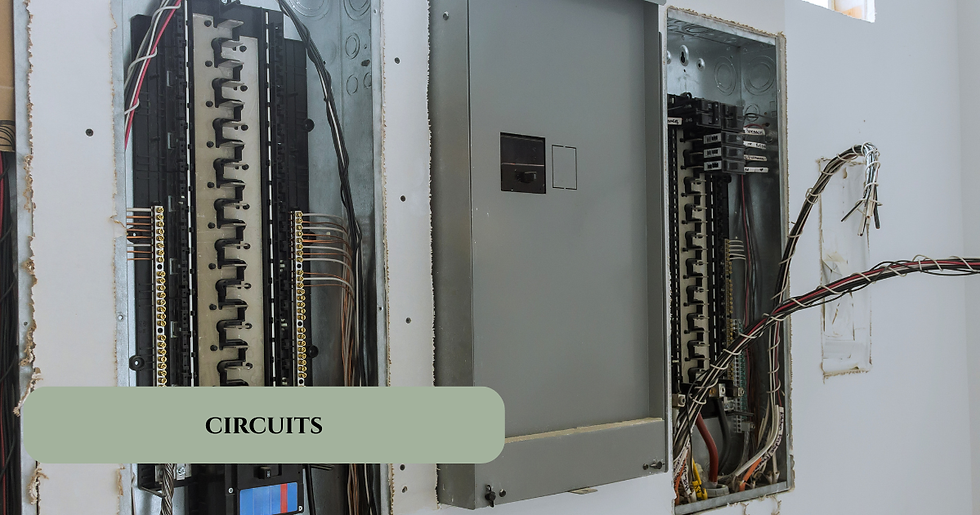
The National Electric Code requires that homes have a minimum of seven circuits, eight for new builds. Ask your electrician if you're uncertain about your circuit count. Having the right number of circuits will decrease your chances of tripping breakers. In today's kitchen, there are so many different appliances for different types of cooking. It's almost like having a restaurant in your own home! You need the appropriate amount of power to handle today's kitchen needs.

Outlets
Think about where you intend to place your coffee maker or toaster. Those are the spots you'll want to put new outlets. It's better to accommodate shorter cords and/or putting outlets on an island. It's also part of the national code!

Light Switches
Consider where it feels natural to turn on lights. This is where you should put your light switches. Another thing to consider is if you want all your lights turned on by the same switch, or you'd rather they are separate. Also, having a switch in each entry/exit location of a kitchen is a must.
In Conclusion.....
Remodeling your kitchen is exciting but overwhelming, and making sure your home is ready for such a change comes with many things to consider. Consult a licensed electrician if you're unsure if your home is ready for more power demands. If you not, you'll need a new electrical panel. Call Electricians of Dallas today and we will help you with any electrical needs your remodel demands.


Comments